Saturday, April 25, 2026

Valve Company in India – Engineering Reliability with Freture Techno Pvt. Ltd.

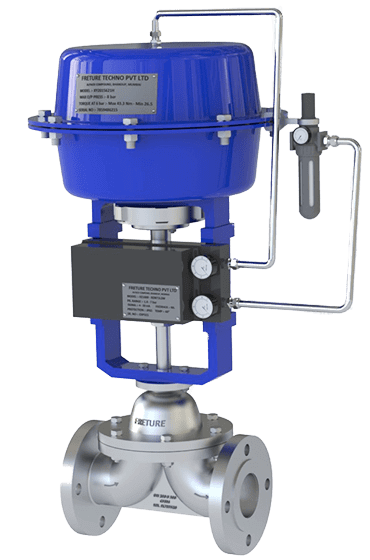
India’s industrial growth is closely tied to the strength of its manufacturing sector—and at the heart of every process industry lies a critical component: valves. From controlling flow to ensuring safety, valves are essential in industries like oil & gas, chemical processing, and power generation. This is where a trusted valve company in India like Freture Techno Pvt. Ltd. makes a significant impact.

What Defines a Reliable Valve Company in India?

Not all valve manufacturers are created equal. A reliable company focuses on precision engineering, safety compliance, and long-term performance. Industries today demand valves that can withstand high pressure, corrosive environments, and continuous operations.

Freture Techno Pvt. Ltd. stands out by offering high-quality industrial valves backed by engineering expertise and global standards. With a strong foundation in valve design and process piping, the company delivers solutions that meet real-world industrial challenges.

Comprehensive Product Portfolio

One of the key strengths of a leading valve company in India is its product range. Freture Techno offers a wide spectrum of valves, including:

  • Ball Valves (Floating & Trunnion)
  • Bellow Sealed Valves
  • Butterfly Valves
  • Gate, Globe, and Check Valves
  • Lined Valves (PTFE, PFA, FEP)
  • Instrumentation Valves and DBB Valves

These products are designed as per API, ASME, DIN, and ISO standards, ensuring reliability across industries.

Serving Critical Industries

A true valve company doesn’t just manufacture products—it solves industrial problems. Freture Techno serves multiple sectors, including:

  • Oil & Gas
  • Chemical & Fertilizer
  • Pharmaceuticals
  • Power Plants
  • Food & Process Industries

Their valves are engineered to address issues like leakage, corrosion, and emission control—common challenges faced by modern industries.

Why Industries Choose Freture Techno

Why do industries trust certain valve manufacturers over others? The answer lies in performance and reliability.

Freture Techno focuses on:

  • Zero leakage performance through advanced sealing
  • Emission-free processes for environmental safety
  • Minimal maintenance design for operational efficiency
  • Global export capability, serving clients in 12+ countries

Conclusion

Choosing the right valve company in India is crucial for ensuring safe and efficient operations. With its commitment to quality, innovation, and industry-specific solutions, Freture Techno Pvt. Ltd. has positioned itself as a reliable partner for industrial valve requirements.

Thursday, March 26, 2026

Cryogenic Globe Valve and Cryogenic Ball Valve: Essential Flow Control Solutions for Low-Temperature Applications

 Cryogenic valves are crucial for industries handling liquefied gases at extremely low temperatures. Among them, Cryogenic Globe Valves and Cryogenic Ball Valves are widely used due to their precision, reliability, and superior sealing performance. These valves are specifically designed to operate efficiently in environments where temperatures can drop as low as -196°C.

Understanding Cryogenic Globe and Ball Valves

Both cryogenic globe valves and cryogenic ball valves are engineered to manage the flow of liquefied gases such as LNG, liquid nitrogen, and oxygen. While they serve similar industries, their functions differ based on application requirements.

  • Cryogenic Globe Valve: Ideal for throttling and precise flow control
  • Cryogenic Ball Valve: Best suited for quick shut-off and tight sealing

Their specialized construction ensures durability and safety under extreme thermal conditions.

Cryogenic Globe Valve: Precision Flow Control

Cryogenic globe valves are designed for applications where accurate regulation of flow is essential. Their internal structure allows gradual opening and closing, making them perfect for throttling operations.

Key Features:

  • Excellent flow control capability
  • High resistance to thermal stress
  • Leak-proof sealing performance
  • Extended bonnet design for insulation
  • Suitable for critical process systems

Applications:

  • LNG processing plants
  • Chemical and petrochemical industries
  • Gas distribution systems
  • Air separation units

Cryogenic Ball Valve: Reliable Shut-Off Performance

Cryogenic ball valves are known for their fast operation and tight sealing. They use a rotating ball mechanism to control flow, ensuring minimal leakage and high efficiency.

Key Features:

  • Quick quarter-turn operation
  • Bubble-tight sealing
  • Low torque operation
  • Long service life
  • Fire-safe and anti-static design

Applications:

  • LNG storage and transport
  • Oil and gas pipelines
  • Cryogenic tank systems
  • Industrial gas handling

Design Features for Cryogenic Conditions

Both globe and ball valves used in cryogenic applications are equipped with advanced design elements:

  • Extended Bonnet: Prevents freezing of stem seals
  • Special Materials: Stainless steel, Inconel, and cryogenic-grade alloys
  • Advanced Sealing: PTFE and graphite packing for zero leakage
  • Thermal Stability: Handles extreme contraction and expansion
  • Compliance: Meets API, BS, and ISO standards

Advantages of Using Cryogenic Globe and Ball Valves

  • Reliable performance in ultra-low temperatures
  • Enhanced operational safety
  • Minimal maintenance requirements
  • High durability and long lifespan
  • Efficient flow control and isolation

These advantages make them indispensable in industries dealing with liquefied gases.

Industrial Applications

Cryogenic globe and ball valves are widely used across industries:

  • LNG Industry: Liquefaction, storage, and regasification
  • Oil and Gas Sector: Handling cryogenic hydrocarbons
  • Chemical Processing: Safe transfer of volatile gases
  • Healthcare Industry: Medical gas systems
  • Food Processing: Cryogenic freezing applications

Cryogenic Valve Manufacturers in India

India is a growing hub for cryogenic valve manufacturers, offering high-quality cryogenic globe valves and cryogenic ball valves for global markets. Manufacturers focus on precision engineering, strict quality standards, and customized solutions for LNG and industrial gas sectors.

Their expertise and competitive pricing make them a preferred choice for industries seeking reliable industrial cryogenic valves.

Conclusion

Cryogenic globe valves and cryogenic ball valves are essential components in low-temperature industrial systems. While globe valves provide precise flow control, ball valves ensure quick and secure shut-off. Together, they enhance efficiency, safety, and reliability in critical applications involving liquefied gases. Selecting the right valve type is key to achieving optimal performance in cryogenic environments.

Monday, January 19, 2026

Freture Techno Pvt. Ltd. Participates in ChemTECH World Expo 2026 at Mumbai

 Mumbai, India – February 3–6, 2026:

Freture Techno Pvt. Ltd., a leading manufacturer of industrial valves and instrumentation solutions, is proud to announce its participation in ChemTECH World Expo 2026, India’s premier event for the Chemical, BioPharma, Refining & Petrochemicals, and Process Industries. The prestigious exhibition is being held from February 3 to 6, 2026, at the Bombay Exhibition Centre (BEC), Goregaon, Mumbai.

Freture Techno Pvt. Ltd. will be exhibiting in Hall No. 6, Stall No. A-4, where industry professionals, partners, and visitors can explore the company’s comprehensive range of high-performance industrial valves and flow control solutions. The participation underscores Freture Techno’s continued commitment to innovation, quality engineering, and supporting critical process industries with reliable and efficient valve technologies.

ChemTECH World Expo is recognized as one of India’s most influential platforms, bringing together global technology providers, manufacturers, solution experts, and decision-makers under one roof. The event serves as a key forum for knowledge exchange, networking, and showcasing advanced technologies that drive efficiency, safety, and sustainability across process industries.

At the expo, Freture Techno Pvt. Ltd. is presenting its expertise in industrial valves designed to meet demanding operating conditions, stringent safety standards, and evolving industry requirements. Visitors to the stall can interact with the company’s technical team to gain insights into customized valve solutions, application-specific designs, and how advanced manufacturing practices contribute to long-term operational reliability.

Speaking on the occasion, the management of Freture Techno Pvt. Ltd. stated that participation in ChemTECH World Expo 2026 provides an excellent opportunity to connect with industry stakeholders, understand emerging market needs, and reinforce the company’s role as a trusted partner for process industries in India and beyond.

Freture Techno Pvt. Ltd. invites all visitors, customers, consultants, and industry professionals to visit Hall No. 6, Stall No. A-4, and engage with the team to discuss innovative valve solutions that support safe, efficient, and sustainable industrial operations.

About Freture Techno Pvt. Ltd.
Freture Techno Pvt. Ltd. is a Mumbai-based manufacturer specializing in industrial valves and instrumentation. With a strong focus on quality, engineering excellence, and customer-centric solutions, the company serves a wide range of industries including chemical, petrochemical, oil & gas, pharmaceutical, and process sectors.


Thursday, November 27, 2025

Valves: Selection and Maintenance for Continuity of Industrial Processes

Flow, Pressure, Direction: Why Valve Reliability Determines Overall Plant Stability

Plant operations depend on a fine balance between equipment performance, maintenance practices, and process stability. Industrial valves significantly contribute to this balance due to their prime responsibilities of flow, pressure, and direction control of media. Their proper selection and maintenance directly influence how smoothly a plant runs.

The Importance of Choosing the Right Valve

Every process medium-steam, water, gas, slurry, solvent, or chemical-requires the right type of valve. Poor selection leads to leakage, cavitation, corrosion, and premature failure.

Globe control valves and safety relief valves are highly utilized for high-temperature steam lines of power plants. Diaphragm and zero-dead-leg valves are utilized in pharmaceuticals to maintain sterile operations. Petrochemical industries utilize metal-seated valves for abrasive and corrosive fluids. In foodstuffs industries, sanitary valves are mainly utilized for handling hygienic flows.

Correct sizing is also important. An oversized valve causes unstable control, while an undersized valve creates a pressure drop and flow restriction.

How Valves Reduce Downtime

Operational downtime is commonly caused by isolation, regulation, or safety component failures. Advanced sealing systems valves, like bellow seal valves or high-integrity ball valves, prevent leakages through the stem and external emissions, thus limiting the shutdown of systems for repairs.

The use of hard-coated materials reduces wear in fertilizer plants, where valve seats could be degraded by corrosive materials. Fire-safe valves in oil and gas prevent failures that could cause catastrophes in an emergency. These solutions enhance uptime and protect the stability of facilities.

Maintaining Product Quality and Consistency

Valves affect product quality by maintaining stable temperature, pressure, and flow conditions. Contamination control is essential in pharmaceutical and food applications. Sanitary valves eliminate the development of bacteria and any cross-contaminations while maintaining CIP and SIP compatibility.

Accurately controlling petrochemical valves keeps the feed into the reactors from fluctuating, thus assuring uniformity in their products. In power plants, steam must be controlled to maintain steady efficiency at the turbine.

The Role of Preventive Maintenance

Even the best valves need maintenance. Preventive practices greatly increase valve life and decrease operational disruptions. Common practices include:

  • Monitoring stem movement
  • Checking actuator performance
  • Checking sealing elements
  • Lubricating mechanical parts
  • Cleaning buildup and deposits

Predictive diagnostics, through IoT sensors, are finding acceptance in more and more industries. Such systems give an indication of an impending failure due to leakage, worn-out seats, or malfunctioning actuators well in advance.

Supporting Safety in High-Risk Environments

Valves are at the heart of process safety: safety relief valves protect against equipment overpressure, check valves stop reverse flow that could lead to pump damage, and emergency shutdown valves instantly isolate hazardous sections.

These valve systems are critical in handling volatile substances in industries such as oil and gas, petrochemicals, and fertilizers. Their performance directly influences adherence to international safety standards.

Industrial valves stand at the center of ensuring continuous and safe operations. Proper selection, advanced technologies for sealing, and proactive maintenance ensure plants in pharmaceuticals, fertilizers, power generation, oil and gas, food processing, and petrochemicals can work with high reliability. In general, when valves operate efficiently, whole industrial ecosystems run along smoothly, producing consistent output with minimized downtime.

Tuesday, November 18, 2025

The Role of Industrial Valves in Supporting Safe and Consistent Industrial Operations

Why Precision Flow Control Is Central to Safety in Today’s Manufacturing Sectors

Industrial safety and operational consistency have increasing priority in manufacturing sectors worldwide. Whether a facility produces chemicals, food ingredients, hydrocarbons, or purified water, good flow control has a great deal to do with safety performance. Industrial valves serve as the primary control elements maintaining safety while enabling continuity of production.

Industrial Valves Supporting Process Safety

Every significant event in heavy industries has been related to a failure either in flow isolation or in pressure management. Industrial valves are designed to interrupt or regulate flow when called upon to prevent uncontrolled reactions, overpressure, or hazardous exposure.

In an oil and gas plant, emergency shutdown valves, and high-integrity pressure protection systems depend on robust valve designs. In the case of fertilizer plants, isolation valves prevent the accidental release of toxic gases. And in pharmaceutical facilities, sanitary valves support clean and contained operations.

Preventing Contamination and Product Loss

Purity of process is a non-negotiable requirement in industries dealing with pharmaceuticals, food and beverages, and specialty chemicals. Valves also help in maintaining the integrity of the product by minimizing dead zones, ensuring leak-proof performance, and facilitating sanitary cleaning procedures.

The application of zero-dead-leg valves is common in all clean utilities like WFI and purified water loops. Hygienic valves in food facilities prevent the growth of bacteria and contamination of ingredients. Similarly, in petrochemicals, the controlled handling of materials ensures their purity for downstream processes.

Improving Monitoring and Automation

Automation has increasingly become an integral factor to attain smooth industrial operations. With the integration of smart positioners, actuators, and sensors, valves have grown into intelligent components that provide continuous monitoring and control.

Power plants use automated control valves to regulate the flow of steam with precision. Petrochemical plants rely on automated safety valves to pop almost instantly once pressure spikes in operations. Automated sampling valves will allow process validation with accuracy and consistency in pharmaceutical production.

Improving System Lifetime and Reducing Failures

The performance of valves directly influences the system reliability. Valve failures cause pumps to run dry, pipelines lose stability, and thermal loads become uneven for heat exchangers. Thus, industries are investing in valve designs for reliability in such aggressive and high-pressure applications.

Application of specific valves includes choosing metal-seated ball valves for high-temperature hydrocarbon services. Bellow seal valves are used in toxic and hazardous chemical handling. High-pressure globe valves are used in power plant steam lines. Proper selection of valves increases equipment life considerably.

Ensuring the Implementation of International Standards

Valves used across critical industries must adhere to the most stringent regulatory codes, including API, ASME, USP, GMP, FDA, IEC, and ISO standards. This assures safety, hygiene, emission reduction, and operational consistency.

Pharmaceutical plants have sanitary valves that ensure adherence to GMP. Oil and gas pipelines conform to API 6D requirements. Power plants have boiler and pressure valves according to ASME codes. These selection criteria based on compliance contribute to stability in operations.

Conclusion Industrial valves are fundamental in the sphere of ensuring safety, compliance, and consistency of operations. Valves enhance not only safety but also productivity through the assurance of controlled flow, the prevention of contamination, the facilitation of automation, and protection against damage to critical equipment. From pharmaceuticals and petrochemicals to oil and gas, fertilizers, food processing, and power generation, smooth operations depend greatly on the reliability of valve systems.

Tuesday, November 11, 2025

Ensuring Seamless Plant Operations with Reliable Industrial Valves

In any process-driven industry, seamless production is considered a pivotal performance indicator. The ability of any plant to run smoothly is heavily dependent on how effectively flow, pressure, and media movement are controlled. Industrial valves have, therefore, been placed at the heart of every mechanical and process operation. Their reliability directly determines how efficiently a system runs, how safely equipment is handled, and how consistently product quality is maintained.

Industrial valves serve for regulating, isolating, and controlling the flow of liquids, gases, steam, and chemicals. They are an essential part of operation in industries dealing with pharmaceuticals, petrochemicals, food processing, power generation, fertilizer manufacturing, and oil and gas. Even the best process equipment can malfunction without the appropriate selection or performance of a valve.

Reliability of Valves for Operational Continuity

Predictable flow behavior is required for smooth operations. With the valves performing optimally, fluid distribution remains uniform, pressure drops are minimized, and the required process parameters stay within specification. As a result, downtimes caused by flow imbalances, overheating, pressure surges, and leakages are reduced to a minimum.

For example, high-pressure ball valves and bellow seal globe valves in oil and gas facilities provide controlled flow of hydrocarbons moving through the pipelines. The pressure-handling capability of such valves provides for continuous supply and cuts down accidental operational stops. Sanitary diaphragm valves and zero-leakage valves in pharmaceutical plants ensure that the flow of purified water and critical process fluids is contamination-free, which directly impacts production consistency.

Supporting Safety and Compliance

Operational smoothness is closely linked with safety performance. Valves are the first line of defense against leaks, emissions, and hazardous exposures. With the emergence of global standards for safety, demands for valves that can control fugitive emissions also arose. Bellow seal valves, double block and bleed valves, and fire-safe ball valves have become common to meet these expectations.

The valves serving petrochemical and fertilizer plants, with their corrosive and toxic media, prevent unwanted exposures and chemical releases. In power plants, safety and pressure relief valves maintain turbine and boiler safety.

Stabilizing Product Quality and Process Integrity

Process accuracy directly influences the quality of finished goods, in which valves silently play an important role. Precise flow control prevents batch failures in pharmaceutical manufacturing. Hygienic valves maintain sanitary handling of ingredients in food processing. Controlled flow prevents catalyst degradation in petrochemicals. Valves stabilize parameters like flow rate, temperature, and pressure to maintain consistent quality output.

Lower Maintenance, Higher Productivity

Well-engineered valves decrease the maintenance burden that an industry has to bear. The designs of leakage-free valves, such as bellow seal valves, minimize packing adjustments; likewise, hard-seated metal valves reduce wear even in abrasive media services. With increased maintenance intervals, the asset remains productive for a longer period, creating operational smoothness across the facility.

In those industries where even a brief halt may result in heavy losses, the importance of dependable industrial valves simply cannot be overemphasized. Be it for isolation, throttling, safeguarding, or process control, these components form the backbone of stable industrial operations. Appropriately selected, engineered, and maintained, industrial valves grant predictable efficiency and long-term reliability to plants dealing in pharmaceuticals, petrochemicals, oil and gas, fertilizers, power generation, and food processing.

Friday, November 7, 2025

How Advanced Valve Technologies Contribute to Smooth Operations in Modern Process Industries

From Mechanicals to Smart Systems: The New Era of Intelligent Industrial Valves

With smart systems, high-efficiency equipment, and digitized monitoring, the nature of industrial valves has changed as industries continue to modernize their facilities. Valves are no longer passive flow devices but have taken on a more intelligent role as high-performance components engineered for the most demanding operational conditions.

Advanced Materials and Designs to Improve Reliability

The process industries of today are dealing with more and more aggressive media, coupled with high temperatures and pressures. In turn, advanced materials used in the manufacture of modern valves include duplex stainless steel, Hastelloy, Inconel, and metal-seated coatings.

Metal-seated ball valves, fire-safe valves, and corrosion-resistant plug valves find extensive applications in the petrochemical and oil and gas industries. Whereas, stainless steel sanitary valves with mirror-polished surfaces are preferred in pharmaceutical and food industries for cleanliness.

These material advancements improve lifecycle performance, reduce wear, and help in the smooth running of facilities without frequent interventions.

Zero-Leakage and Emission-Free Solutions

The global environmental regulations have put greater emphasis on the control of fugitive emissions. Valves make an essential contribution to emission control, thanks to advanced seal technologies. Bellow seal valves eliminate stem leakage by eliminating the need for packing. Zero-leakage ball valves avoid fluid escape even under cycling conditions.

Fertilizer plants, handling ammonia and urea solutions, rely on emission-free valves. Bellows seal valves find their application at oil refineries in toxic and high-temperature media. Pharmaceutical plants rely on sanitary valves to maintain their contamination-free operations.

Automation and Digital Integration

The industry has gradually moved towards automation, and so have the valves. With automated actuators, digital positioners, and IoT-enabled diagnostics, plants could operate more accurately, with less use of human effort and with quicker response in case of an emergency.

Power plants rely on automated control valves for load balance. Smart actuators are being used in petrochemical units to adjust flow precisely in reactors. In the food industry, automated valves ensure consistent product dosing without any intervention by manpower.

Moreover, digital monitoring can diagnose wear, leakage, and actuator problems well in advance to avoid unplanned downtime.

Energy Efficiency Through Optimized Valve Selection

Characteristics like friction, pressure drop, and flow capacity of valves have a great influence on energy consumption. When correct valves are chosen, pumps and compressors operate with reduced load, saving energy.

For example:

  • Low-pressure-drop butterfly valves improve the cooling-water efficiency in power plants.
  • High CV globe control valves reduce steam loss in chemical processing.
  • Precision sanitary valves optimize CIP cycles in food plants.

Industry-Focused Applications

  • Pharmaceutical: Automated diaphragm valves improve batch reliability.
  • Oil & Gas: Trunnion-mounted ball valves ensure safe pipeline transmission.
  • Petrochemical: High-alloy valves withstand corrosive catalyst media.
  • Fertilizer: Severe-service valves handle abrasive slurry and ammonia.
  • Power: The safety valves prevent turbine overpressure.
  • Food: Hygienic valves preserve product quality.

Advanced industrial valve technologies form the backbone of modern industrial operations. With an integration of better materials, emission-free designs, automation, and energy-efficient engineering, industrial valves help process facilities operate smoothly with fewer disruptions. The industries adopting advanced valve solutions gain higher reliability, less downtime, and improved continuity of operation.

Ensuring Continuous Plant Operations with Reliable Industrial Valves

In all process-oriented industries, uninterrupted production is regarded as a prime performance indicator. The ability of any plant to work smoothly is significantly affected by how well flow, pressure, and media movement are regulated. This places industrial valves at the heart of mechanical and process operations. Their reliability is directly proportional to how efficiently the system operates, how safety is ensured in equipment handling, and how consistently product quality is maintained.

Industrial valves serve to control, shut off, and regulate the flow of liquids, gases, steam, and chemicals. They play an indispensable part in operational and basic functions within industries such as pharmaceuticals, petrochemicals, food processing, power generation, fertilizer manufacturing, and oil and gas. Even a single failure or improper valve selection can disrupt processes with state-of-the-art process equipment.

Reliability of Valves for Operational Continuity

Smooth operation requires that flow behavior is predictable. When valves function within their optimal operating margins, fluid distribution is uniform, pressure drops are at a minimum, and all the required process parameters are kept within specifications. In so doing, downtimes due to flow imbalances, overheating, pressure surges, and leakages are greatly reduced.

High-pressure ball valves and bellow-seal globe valves, for example, are used in oil and gas facilities to achieve controlled flow in the transporting pipelines of hydrocarbons. Their capacity for handling pressure ensures continuous supply and reduces unexpected operational stops. The sanitary diaphragm valves and zero leakage valves in pharmaceutical plants ensure an absence of contamination in the flow of purified water and critical process fluids; this directly impacts production consistency.

Supporting Safety and Compliance

Operational smoothness is closely related to safety performance. Valves are considered to be the initial guard against leaks, emissions, and dangerous exposures. Due to the increased awareness of global safety standards, there is a rising demand for valves that could handle fugitive emissions. Bellow seal valves, double block and bleed valves, and fire-safe ball valves have been extensively used in order to live up to these expectations.

In petrochemical and fertilizer plants, where corrosive and toxic media are used, valves that correspond to the requirements avoid accidental exposure and chemical release. Safety valves and pressure relief valves are also essential to guarantee the safety of turbines and boilers in power plants.

Stabilizing Product Quality and Process Integrity

Process accuracy directly influences the quality of finished goods, in which valves play a silent but important role. Precise flow control in pharmaceutical manufacturing prevents batch failures; hygienic valves in food processing maintain sanitary handling of ingredients; controlled flow in petrochemicals prevents degradation of catalysts. Valves maintain consistent quality output by stabilizing parameters such as flow rate, temperature, and pressure.

Lower Maintenance, Higher Productivity

Well-engineered valves minimize the maintenance burden for industries. Designs like bellow seal valves ensure leakage-free service, minimizing or eliminating packing adjustments, while hard-seated metal valves reduce wear even in abrasive media services. As maintenance intervals increase, so does the length of time an asset is productive, creating operational smoothness across the facility.

In industries where even brief interruptions can lead to heavy losses, the importance of reliable industrial valves cannot be overemphasized. From isolation to throttling to safeguarding and process control, these components are vital for maintaining stable industrial operations. Appropriately selected, engineered, and maintained, industrial valves are able to provide predictable efficiency with long-term reliability for plants dealing with pharmaceuticals, petrochemicals, oil and gas, fertilizers, power generation, and food processing.

Saturday, August 30, 2025

Why Industries Choose Teflon Lined Valves for Harsh Environments

Handling corrosive, toxic, or abrasive fluids is one of the greatest challenges industries face. Standard valves often fail under such conditions, causing leaks, inefficiencies, and safety hazards. Teflon lined valves provide a robust solution, designed specifically for demanding industrial environments.

The Science Behind PTFE Lining

PTFE’s molecular structure makes it virtually non-reactive to most chemicals. When valves are lined with Teflon, they become resistant to acids, alkalis, solvents, and extreme temperatures. This makes them an ideal choice for industries that demand long-term performance with minimal maintenance.

Comprehensive Range of Teflon Lined Valves

  • Lined Ball Valves – Best for reliable shutoff.

  • Lined Butterfly Valves – Lightweight, efficient for larger pipelines.

  • Lined Globe Valves – Offers precise flow control.

  • Lined Plug Valves – Simple, durable, and easy to maintain.

  • Check Valves (Swing & Standard) – Prevents reverse flow.

  • Gate Valves – Used in applications requiring tight shutoff.

  • Sampling Valves & Sight Glass Valves – Ideal for monitoring and safe sampling.

  • Basket Strainers – Protects pipelines by filtering debris.

Benefits That Matter to Industries

  1. Enhanced Safety – Prevents leaks of hazardous fluids.

  2. Durability – Prolongs equipment life in aggressive media.

  3. Operational Efficiency – Reduces unplanned shutdowns.

  4. Cost Savings – Lowers repair and replacement costs.

  5. Versatility – Works across multiple sectors including oil & gas, pharma, water treatment, and chemicals.

Real-World Industrial Applications

  • Pharma manufacturing – Teflon lined valves ensure contamination-free flow.

  • Petrochemical plants – Butterfly and plug valves manage high-pressure fluids safely.

  • Food & beverage processing – Valves help maintain hygiene and flow control.

  • Power generation – Used in water treatment and chemical dosing systems.

Conclusion

With increasing demand for safe, durable, and cost-effective flow control, Teflon lined valves have become an essential part of modern industry. By choosing a reliable manufacturer like Freture Techno Pvt. Ltd., companies ensure they receive solutions engineered to meet global standards, delivering unmatched reliability in the toughest conditions.

Monday, August 18, 2025

trengthening Growth: Freture Techno Pvt. Ltd. Invites You to Celebrate SWJAL PROCESS’s New Facility

 At Freture Techno Pvt. Ltd., we have always believed in advancing industrial excellence with innovative engineering solutions. As part of this vision, we are proud to extend an invitation to the celebration of a significant milestone – the inauguration of SWJAL PROCESS’s new manufacturing facility in Vasai (E).

SWJAL PROCESS is committed to delivering high-quality pure water systems designed to meet the demanding requirements of pharmaceutical and allied industries. The establishment of this new facility represents an expansion of capabilities, ensuring precision-driven solutions and greater efficiency in execution.

The celebration will take place on:
📅 Thursday, 21st August | 2:00 – 4:00 PM
📍 Sagar Plaza, Swagat-B, Unit B1, Sativali Road, Vasai (E), 401208

This occasion marks not just the opening of a facility but also the beginning of a new chapter of growth, innovation, and excellence.

Freture Techno Pvt. Ltd. is honored to share this moment and invites partners, associates, and industry peers to join in celebrating the progress that continues to shape the future of engineering and water treatment solutions.

Tuesday, May 20, 2025

Celebrating Earth Day 2025 with Sustainable Valve Engineering by Freture Techno Pvt. Ltd.

Every year, Earth Day serves as a global reminder of our shared responsibility toward the environment. For industries that operate on large-scale fluid and gas handling systems, the path to sustainability begins with smarter, cleaner, and more efficient process control. This Earth Day 2025, Freture Techno Pvt. Ltd., a trusted name in industrial valve manufacturing in India, reaffirms its commitment to a greener planet through precision-engineered valve solutions that minimize emissions, optimize resource use, and promote environmental compliance.


Sustainability at the Core of Engineering Excellence

Sustainability is no longer optional—it’s a design imperative. Freture Techno integrates sustainability right from the blueprint stage. Whether it’s selecting corrosion-resistant alloys for longer valve life or designing systems with minimal leakage potential, the company ensures each product contributes to reducing the industrial carbon footprint.

Valves such as Bellow Sealed Valves, Pop Type Safety Valves, and 3 Way Ball Valves are examples of how engineering innovation can support leak-free operations even under extreme temperature and pressure conditions. These valves not only ensure zero fugitive emissions but also help process plants avoid costly shutdowns and environmental penalties.

Driving Cleaner Processes in Critical Industries

Freture Techno’s valves play a vital role in helping industries transition toward eco-friendly processes:

  • In the oil & gas industry, high-integrity isolation valves help prevent hazardous leaks, control volatile emissions, and ensure safe pressure relief—all aligned with international environmental compliance frameworks.

  • For the pharmaceutical sector, where purity and cleanliness are non-negotiable, Freture offers hygienic valves that support clean-in-place (CIP) and sterilize-in-place (SIP) systems, ensuring reduced contamination risk and water conservation.

  • In food and beverage production, valves must not only ensure hygienic handling but also resist aggressive cleaning chemicals. Freture’s stainless steel and polymer-lined valves help extend valve life and reduce waste generation through fewer replacements.

Smart Design for Reduced Environmental Impact

Freture Techno’s valves are designed for durability and long service life, which means fewer parts discarded and less waste sent to landfills. Additionally, the company emphasizes modular and repairable designs, encouraging maintenance and upgrades instead of full replacements.

The use of advanced sealing technologies, including Bizmon bellows and tight shut-off ball valves, helps in drastically reducing leakage paths—critical for industries looking to cut down Scope 1 emissions and achieve ESG targets.

Committed to Green Manufacturing Practices

Freture’s approach to sustainability extends beyond product function—it includes how the valves are made. The company follows responsible manufacturing techniques, such as:

  • Reducing water usage during fabrication

  • Recycling metal scrap and machining waste

  • Minimizing energy consumption in CNC operations

  • Following eco-friendly packaging protocols

Each practice is a deliberate step toward reducing the ecological footprint of valve production.

Empowering Industry Toward Environmental Compliance

Environmental compliance is an evolving challenge across global industries. Freture Techno not only delivers compliant products but also offers technical guidance and tailored valve solutions to help clients meet emissions control mandates, energy-saving goals, and industry-specific environmental standards.

Through a blend of technical expertise, precision craftsmanship, and green innovation, Freture helps clients across sectors future-proof their operations while aligning with global sustainability goals.

Earth Day: A Symbol of Responsibility and Innovation

On this Earth Day, Freture Techno Pvt. Ltd. reiterates its mission: to engineer valves that don’t just control flow—but also protect the planet. Every valve leaving its facility represents a commitment to emission control, energy efficiency, and industrial responsibility.

By choosing Freture, industries gain more than a product—they gain a partner in building resilient, sustainable, and regulation-ready operations.

Let Earth Day 2025 be a call to innovate with purpose and invest in solutions that benefit both business and the environment.


Waste Water Treatment Plant Valves Manufacturer Solving Industry Challenges with Precision Engineering

Wastewater treatment facilities are integral to environmental sustainability and public health. These plants operate under demanding conditions, where fluid control plays a critical role in maintaining efficiency, compliance, and safety. However, the operational environment in wastewater treatment is often aggressive and corrosive, presenting unique challenges for equipment reliability—particularly valves. To address these challenges, specialized wastewater treatment plant valves have been developed, and manufacturers focusing on these needs are playing a pivotal role in modernizing the industry.

Industry Pain Points in Wastewater Treatment

The wastewater treatment industry is frequently confronted with difficult conditions that can severely affect system performance. The fluid media being handled often contain abrasive solids, high chemical content, and fluctuating pressures, making conventional valves unsuitable for long-term operation. Several key pain points have been observed across facilities:

1. Corrosive Media and Valve Deterioration

Corrosive chemicals, such as chlorine, hydrogen sulfide, and various acids, are commonly found in wastewater streams. Traditional valve materials degrade quickly in such environments, leading to leakage, loss of containment, and frequent equipment failures. This deterioration not only affects plant efficiency but also poses environmental and regulatory risks.

2. Abrasive Slurry and Erosion : 

Wastewater often contains sand, grit, and suspended solids that accelerate internal erosion of valves. Gate and globe valves, in particular, are prone to wear, causing internal scoring that leads to malfunction or complete breakdown. This results in recurring maintenance needs and extended downtime.

3. Inaccurate Flow Control

Precise flow regulation is critical in wastewater processes such as aeration, disinfection, and sludge management. However, many traditional valves fail to offer the responsiveness or control range required. Process instability caused by flow inconsistencies can lead to inefficiencies or even process failure.

4. Valve Seizure and Jamming

In applications where valves remain either open or closed for extended periods, seizing becomes a common issue. Accumulated sediment or biological fouling often causes valve internals to jam, especially in manual or poorly maintained systems.

5. High Maintenance and Replacement Costs

Frequent valve failures necessitate repeated replacements or maintenance cycles. This not only increases operating costs but also reduces plant availability. Unplanned shutdowns for valve servicing disrupt treatment schedules and compliance timelines.

How Valves Designed for Wastewater Applications Solve These Issues

To overcome these challenges, wastewater treatment plant valves have been engineered with specialized materials, designs, and technologies. Leading manufacturers have responded by offering high-performance valves that enhance system reliability, minimize maintenance, and withstand the industry's harshest environments.

Corrosion-Resistant Materials

Advanced materials such as duplex stainless steel, Hastelloy, and PTFE-lined bodies are commonly used to manufacture valves for corrosive wastewater applications. These materials provide superior resistance to chemical attack, extending valve life and ensuring consistent sealing performance.

Slurry-Tolerant Designs

Knife gate valves, pinch valves, and plug valves are often employed for slurry applications due to their unobstructed flow paths and self-cleaning capabilities. Their internal design resists clogging and abrasive wear, making them ideal for handling thick or particulate-laden flows.

Precision Flow Regulation

Control valves equipped with modulating actuators allow precise adjustment of flow rates, essential for maintaining the correct chemical dosing, oxygen levels, or filtration rates. These valves contribute to tighter process control and reduced chemical consumption.

Automation and Remote Control

Actuated valves—whether pneumatic, electric, or hydraulic—have become the standard in modern wastewater facilities. Integration with SCADA and PLC systems allows real-time monitoring, diagnostics, and remote operation, reducing manual intervention and human error.

Maintenance-Free or Low-Maintenance Designs

Valves featuring non-lubricated stems, enclosed actuators, or self-lapping sealing surfaces minimize wear and maintenance requirements. Some advanced models are designed to be maintenance-free for their entire service life under normal operating conditions.

The Role of the Valve Manufacturer in Plant Success

A wastewater treatment plant’s operational success is deeply influenced by the reliability of its components, and valve selection stands at the forefront. Choosing a dedicated wastewater valve manufacturer ensures that every valve installed is tailored to the application’s unique demands.

Experienced manufacturers bring the following advantages:

  • Technical Expertise: In-depth understanding of flow dynamics and wastewater chemistry allows for the right valve recommendation for each plant zone.

  • Material Innovation: Access to cutting-edge material technology ensures resistance against corrosion, wear, and scaling.

  • Customization Capabilities: Valves can be engineered to specific sizes, pressure ratings, and actuation needs.

  • Quality Assurance: Compliance with industry standards (such as ISO, AWWA, and ASME) ensures reliable performance and regulatory adherence.

  • After-Sales Support: Prompt service, spare availability, and technical assistance reduce downtime and improve plant continuity.

Environmental and Economic Impact

Using reliable industrial valves in wastewater treatment not only safeguards equipment but also contributes to environmental compliance. By preventing leaks and ensuring accurate flow management, untreated or partially treated effluent is avoided, thereby protecting ecosystems. Moreover, operational costs are reduced through fewer breakdowns, improved energy efficiency, and lower chemical consumption.

In wastewater treatment plants, a diverse range of valves is utilized to ensure effective and reliable fluid management under demanding conditions. Gate valves are typically employed for on/off flow control in clean or low-solid media due to their straightforward design and minimal pressure loss. Knife gate valves are specifically designed to handle abrasive slurries and sludge, providing dependable shut-off capabilities in solid-laden flows. Butterfly valves offer a compact and cost-efficient solution for flow regulation and isolation, particularly in large-diameter pipelines, while plug valves are favored for their resistance to clogging and reliable sealing in sewage applications. Ball valves deliver tight sealing and require low operating torque, making them suitable for clean water systems, though they are less effective in abrasive environments. Check valves are critical for preventing backflow and protecting pumps, albeit requiring regular maintenance to mitigate issues caused by solids accumulation. Air release valves play an essential role in expelling trapped air to maintain hydraulic efficiency, and control valves facilitate precise automated regulation of flow, pressure, and level, thereby supporting real-time process optimization despite their greater complexity and cost. Collectively, these valves constitute the essential components that address the rigorous operational requirements of wastewater treatment facilities.

In the challenging world of wastewater treatment, robust and application-specific valves are not a luxury—they are a necessity. The industry’s pain points, ranging from corrosion and abrasion to control inaccuracies and high maintenance costs, can be effectively addressed by choosing the right valves from a trusted manufacturer. With corrosion-resistant materials, slurry-tolerant designs, and automation capabilities, modern wastewater valves ensure seamless plant operation, environmental compliance, and long-term cost savings.

For any facility striving to optimize its wastewater process, partnering with a reliable wastewater treatment plant valve manufacturer remains a key strategic decision.


Wednesday, April 16, 2025

Types of Dairy Valves: Applications and Functional Benefits in Milk Processing Plants

The dairy industry demands not only high-quality raw materials but also reliable processing systems that prioritize hygiene, efficiency, and safety. Among the key components of any dairy processing plant are valves, which help manage the flow of milk and other dairy fluids throughout production. The choice of valve types plays a significant role in ensuring smooth operation, preventing contamination, and maintaining product quality.

Different processes require different valve functionalities—from flow regulation to segregation of fluids. This article explores the various types of dairy valves, their typical applications, and the functional benefits they provide in milk processing plants.

1. Butterfly Valves: Simple, Cost-Effective Flow Control

Butterfly valves are one of the most widely used valve types in the dairy industry. Known for their compact design and easy maintenance, these valves are ideal for on/off service and throttling applications in low-pressure lines.

Benefits:

  • Fast operation with quarter-turn actuation

  • Lightweight and space-saving

  • Sanitary design with options for PTFE or EPDM seats

  • Ideal for CIP systems due to ease of cleaning

Applications: Pasteurization units, water lines, cream processing, and low-viscosity liquid handling.

2. Diaphragm Valves: Aseptic and Leak-Proof

Diaphragm valves are specifically designed for hygienic and aseptic applications. They utilize a flexible diaphragm to isolate the fluid from the valve body and mechanism, ensuring a contamination-free environment.


Benefits:

  • Zero dead space for bacteria buildup

  • High resistance to aggressive cleaning chemicals

  • Suitable for SIP (Sterilize-In-Place) systems

  • Smooth flow characteristics

Applications: Yogurt production, whey processing, culture addition systems, and fermentation tanks.

3. Ball Valves: High Shut-Off Integrity

Ball valves are commonly used where tight shut-off is essential. Their design includes a hollow, pivoting ball that controls flow and ensures minimal pressure drop.

Benefits:

  • Full bore design for unrestricted flow

  • Robust and durable construction

  • Easy to automate with pneumatic or electric actuators

  • Minimal maintenance

Applications: Milk transfer, cream separation, and CIP return lines.

4. Mix-Proof Valves: Enhanced Process Safety

Mix-proof valves (also known as double-seat valves) allow the simultaneous flow of two different fluids in close proximity without the risk of cross-contamination. This makes them ideal for fully automated systems.

Benefits:

  • Separation of incompatible fluids

  • Reduced downtime between product changeovers

  • Integrated leakage detection

  • Excellent for high-productivity plants

Applications: Filling lines, product recovery systems, and buffer tanks.

5. Seat Valves: Modular and Versatile

Single-seat and double-seat valves are versatile solutions used for directing, diverting, or shutting off flow. These valves can be customized to fit a range of hygienic operations.

Benefits:

  • Modular construction for flexibility

  • High sealing performance

  • Easy integration into control systems

  • Suitable for viscous and low-viscosity products

Applications: Mixing stations, blending units, and CIP circuits.

6. Check Valves: Preventing Backflow

Check valves allow fluid to flow in one direction only, preventing contamination or backflow that could disrupt processing or cleaning cycles.

Benefits:

  • Protects product integrity

  • Reduces wear on equipment

  • Automatic operation without actuator

  • Available in sanitary designs

Applications: Cream lines, milk delivery systems, and return flows in CIP.

Selecting the Right Valve for Dairy Applications

Choosing the right valve depends on several factors:

  • Product viscosity

  • Cleaning requirements (CIP/SIP)

  • Automation level

  • Flow pressure and temperature

  • Material compatibility (typically stainless steel 316L)

It’s crucial to work with a trusted dairy valve manufacturer that understands the specific requirements of milk processing and offers hygienic designs that comply with 3-A, EHEDG, and FDA standards.

Conclusion

Valves are integral to the safe and efficient operation of dairy processing plants. From basic flow control to advanced separation of fluids, each type of valve contributes to maintaining hygiene, improving productivity, and ensuring the consistent quality of dairy products. Manufacturers that invest in the right valve solutions benefit from reduced downtime, enhanced product safety, and long-term cost savings.

Freture Techno Pvt. Ltd. is a leading Dairy Industry Valves Manufacturer in Mumbai, India.

Thursday, March 20, 2025

Industrial Valves: Addressing Industry Challenges and Optimizing Performance

Industrial valves are critical components in various sectors, including oil & gas, chemical processing, pharmaceutical production, and water treatment. These valves regulate the flow of gases, liquids, and semi-solids, ensuring smooth and safe operations. However, industries face significant challenges related to valve performance, including leakage, frequent maintenance, material durability, pressure handling, and compliance with strict regulations. Understanding these pain points and adopting advanced valve technologies can significantly enhance operational efficiency and reduce downtime.

Common Challenges in Industrial Valves

1. Leakage and Operational Failures

One of the most pressing issues industries face is valve leakage, leading to product loss, safety hazards, and environmental concerns. Poor sealing mechanisms, worn-out gaskets, and improper installation contribute to this issue. Leakage not only affects operational efficiency but also increases costs due to material wastage and frequent repairs.

2. Frequent Maintenance and Downtime

Industrial valves often require regular maintenance due to wear and tear caused by high-pressure applications and corrosive environments. Unplanned downtime due to valve failures can disrupt production schedules, leading to revenue losses. Companies struggle with the time and cost associated with frequent valve replacements and repairs.

3. Material Durability and Corrosion Resistance

Valves used in industries such as chemical processing and water treatment must withstand corrosive substances and extreme temperatures. Selecting the wrong materials can result in premature valve failure, leaks, and contamination risks. High-performance industrial valves made from stainless steel, alloy, or polymer-coated materials are essential for longevity and reliability.

4. Pressure and Temperature Handling

Valves operate under varying pressure and temperature conditions, which can lead to mechanical stress and failure. A poorly selected valve may not withstand extreme pressure changes, causing safety risks and operational inefficiencies. Industries require high-performance industrial valves capable of managing fluctuating conditions without compromising functionality.

5. Regulatory Compliance and Safety Standards

Industries must comply with stringent regulatory requirements regarding valve performance and emissions. Inadequate compliance can lead to legal consequences, fines, and operational shutdowns. Companies must ensure that their valves meet safety certifications and industry standards to maintain operational integrity.

Advanced Solutions in Valve Technology

1. Bellow Sealed Valves for Leak-Proof Performance

Bellow sealed valves are an advanced solution to leakage problems, particularly in hazardous industries such as pharmaceuticals and chemicals. These valves feature a metallic bellows that provides a hermetic seal, preventing emissions and ensuring zero leakage. They enhance operational safety and reduce maintenance costs, making them an excellent choice for critical applications.

2. Zero-Emission Valves for Environmental Compliance

With increasing environmental regulations, industries are shifting towards zero-emission valves to minimize fugitive emissions. These valves are designed to prevent the escape of hazardous gases, ensuring compliance with environmental safety norms. By adopting zero-emission valves, companies can significantly reduce their carbon footprint while maintaining operational efficiency.

3. Automation and Smart Valve Technologies

The integration of automation in industrial valves has revolutionized performance and reliability. Automated control valves equipped with smart sensors enable real-time monitoring and predictive maintenance. These intelligent systems detect anomalies, optimize flow rates, and prevent failures before they occur. Industries that implement automated valve solutions benefit from reduced downtime, improved accuracy, and cost savings.

4. High-Performance Materials for Longevity

To overcome durability challenges, industries are investing in valves made from high-grade materials such as stainless steel, titanium, and corrosion-resistant alloys. Advanced coatings and linings further enhance the resistance of valves to aggressive chemicals and extreme conditions. Choosing the right material ensures long-lasting valve performance and minimizes the risk of failures.

5. Regular Maintenance and Best Practices

Adopting an effective industrial valve maintenance strategy can significantly improve longevity and efficiency. Implementing best practices such as periodic inspections, proper lubrication, and timely replacements helps prevent unexpected breakdowns. Industries should partner with reliable valve suppliers who provide technical support and maintenance solutions.

Industrial valves play a pivotal role in maintaining the efficiency and safety of operations across various industries. However, challenges such as leakage, frequent maintenance, material durability, and regulatory compliance must be addressed to ensure optimal performance. By investing in high-performance industrial valves, including bellow sealed and zero-emission models, industries can enhance reliability and meet safety standards. Additionally, integrating automation and selecting the right materials can further improve operational efficiency. Choosing reliable valve suppliers with a strong track record ensures access to high-quality products and expert guidance, ultimately leading to long-term success in industrial applications.

Friday, March 7, 2025

Innovative Technology and Design in Industrial Valves: Engineering Excellence for Fluid Control

Industrial valves are not just simple mechanical components; they are engineering masterpieces crucial for controlling the flow of liquids and gases in diverse industrial processes. In an era where efficiency, safety, and sustainability are paramount, innovative technology and precise design in industrial valves ensure that modern industries can meet ever-rising operational demands.

Understanding Industrial Valve Design

The design of industrial valves involves a deep integration of fluid dynamics, material science, and mechanical engineering principles. Key elements include:

  • Precision Engineering: Industrial valves must be manufactured to exact specifications to manage extreme pressures, temperatures, and corrosive environments.
  • Material Selection: Durable materials—such as stainless steel, brass, and advanced composites—are used to ensure longevity and resistance to wear.
  • Reliability and Durability: In harsh industrial environments, valves need to function flawlessly over long periods, minimizing downtime and maintenance needs.

The Role of Valve Manufacturing

The manufacturing process is as critical as the design. It encompasses:

  • Prototype Development: Creating prototypes to simulate real-world conditions ensures that designs will perform under pressure.
  • Precision Machining: Modern CNC machines produce components that adhere strictly to design specifications.
  • Quality Control: Rigorous testing and inspection processes guarantee that every valve meets industry standards for performance and safety.

Advancements in Valve Technology

Recent innovations have dramatically enhanced the design and performance of industrial valves:

  • Smart Valves: Integrated sensors and IoT connectivity allow for real-time monitoring of parameters such as pressure, temperature, and flow rate. This aids in predictive maintenance and system optimization.
  • Enhanced Control Systems: Modern control units enable precise regulation of fluid flow, ensuring efficient industrial processes.
  • Customization Through CAD: Advances in computer-aided design (CAD) enable manufacturers to tailor valves for specific applications, resulting in improved performance and integration.
  • Eco-Friendly Solutions: New designs focus on reducing energy consumption and environmental impact, aligning with global sustainability goals.

Overcoming Design Challenges

Designing a high-performance industrial valve involves overcoming significant challenges:

  • Managing Extreme Conditions: Valves must withstand high pressures and corrosive substances without compromising performance.
  • Leak Prevention: Innovations in sealing technologies are vital to prevent leaks and ensure safety.
  • Iterative Testing: Continuous testing during the design phase helps refine valve components, leading to a more robust final product.

Benefits of High-Quality Industrial Valves

Investing in premium industrial valves brings several advantages:

  • Enhanced Safety: Reduced risk of leaks and system failures creates a safer work environment.
  • Operational Efficiency: Precise control over fluid flow improves overall process efficiency and reduces energy waste.
  • Cost-Effectiveness: Although premium valves might have a higher initial cost, their longevity and reliability lead to lower maintenance expenses over time.
  • Environmental Sustainability: Energy-efficient designs contribute to a reduced environmental footprint.

Industrial Fluid Control: A Cornerstone of Modern Processes

Industrial valves are pivotal in managing the flow, pressure, and direction of fluids. Whether in oil refineries, water treatment plants, or manufacturing facilities, valves ensure that operations run smoothly and safely. As valve technology continues to evolve, the future of industrial fluid control looks increasingly promising.

Future Outlook

The continuous evolution in materials, digital monitoring, and design methodologies means that the next generation of industrial valves will be smarter, more adaptive, and even more efficient. Embracing these innovations will empower industries to stay competitive in an ever-changing landscape.

The intersection of advanced design and innovative manufacturing has transformed industrial valves from basic components to vital assets in fluid control systems. As industries continue to innovate, the demand for high-quality, efficient, and smart valve technology will only grow

Saturday, February 22, 2025

Choosing the Right Industrial Valve Manufacturer in India

Selecting the right industrial valve manufacturer in India is crucial for ensuring long-term reliability, safety, and efficiency in industrial applications. Whether in oil & gas, pharmaceuticals, water treatment, or power plants, choosing a certified, experienced manufacturer can significantly impact operational success.

One such leading name in the industry is Freture Techno Pvt. Ltd., based in Mumbai, India. With a commitment to quality, precision, and innovation, they offer a wide range of API-certified, high-performance industrial valves.

Key Factors to Consider When Choosing a Valve Manufacturer

When selecting an industrial valve supplier in India, consider the following critical aspects:

✅ Certifications & Quality Standards
A reputable manufacturer should comply with international and national standards, including:

  • ISO 9001 – Quality management certification.

  • API 6D & API 600 – Compliance with oil & gas industry requirements.

  • ASME B16.34 – Pressure-temperature ratings for industrial valves.

  • IBR Certification – Necessary for steam and boiler applications.

✅ Material Selection & Durability
The valve material must be compatible with temperature, pressure, and media composition. Look for manufacturers offering:

  • Stainless Steel (SS 304, SS 316, Duplex Steel) – High durability and corrosion resistance.

  • Hastelloy & Inconel – Ideal for extreme temperature and pressure applications.

  • PTFE/PFA-lined Valves – Chemical-resistant solutions for pharmaceutical and chemical processing industries.

✅ Customization Capabilities
Industries often require customized solutions based on specific process needs. Leading manufacturers should provide:

  • Size variations (1/2" to 48")

  • Pressure ratings (ANSI 150–2500, PN10–PN420)

  • Actuated valve options (pneumatic, electric, and hydraulic actuators)

✅ Testing & Quality Assurance
Ensure the manufacturer conducts rigorous testing to guarantee performance and safety. Tests should include:

  • Hydrostatic and Pneumatic Testing – Ensuring leak-proof operations.

  • Fire-safe Testing (API 607, API 6FA) – Required for oil & gas applications.

  • Fugitive Emission Testing – To minimize environmental impact.

Freture Techno Pvt. Ltd. – A Trusted Name in Industrial Valves

Freture Techno Pvt. Ltd., Mumbai, is a leading industrial valve manufacturer in India, known for:

✔ ISO and API-certified valves, meeting global quality standards.
✔ A wide product range, including Ball Valves, Gate Valves, Globe Valves, Check Valves, Butterfly Valves, and Control Valves.
✔ Industry-specific solutions, tailored for oil & gas, pharmaceuticals, power plants, and water treatment facilities.
✔ Advanced manufacturing technology ensuring high precision, durability, and safety.
✔ Customization and on-time delivery, meeting unique project requirements.

Industrial Valve manufacturers in India

Comparison: Freture Techno Pvt. Ltd. vs. Other Manufacturers

FeatureFreture Techno Pvt. Ltd.Other Manufacturers
CertificationsISO 9001, API 6D, ASME, IBRVaries
Material OptionsSS 316, Duplex Steel, Hastelloy, PTFE-linedLimited Options
Product RangeFull range of industrial valvesMay be specialized in a few types
CustomizationFully customized solutionsStandard offerings
Testing StandardsHydrostatic, Pneumatic, Fire-Safe, Fugitive EmissionBasic Testing

Final Thoughts

Choosing the right industrial valve manufacturer in India is a crucial decision that impacts efficiency, safety, and cost-effectiveness. With its certified, high-performance valves and industry expertise, Freture Techno Pvt. Ltd. stands out as a trusted Valves supplier for industrial needs across multiple sectors.

📌 Looking for high-quality industrial valves? Contact Freture Techno Pvt. Ltd. for customized, reliable, and globally certified valve solutions.

Valve Company in India – Engineering Reliability with Freture Techno Pvt. Ltd.

India’s industrial growth is closely tied to the strength of its manufacturing sector—and at the heart of every process industry lies a crit...